Self-initiated visual essay
year 2021 — ongoing
tags Design, Nature, Food
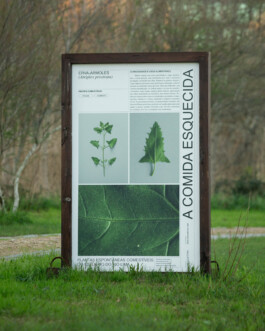
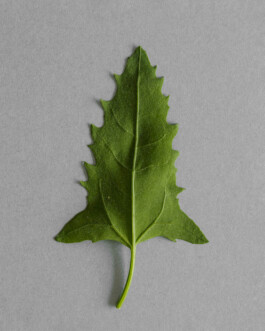
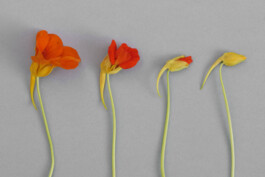
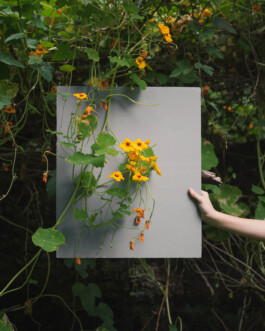
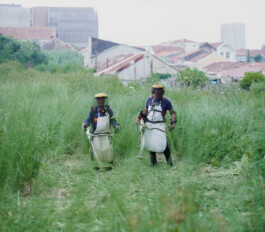
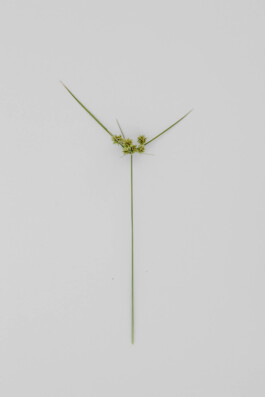
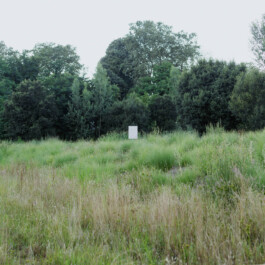
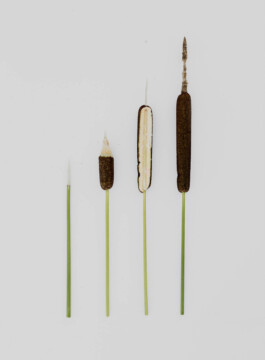
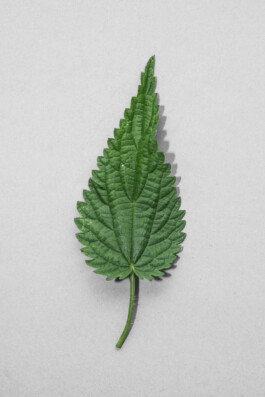
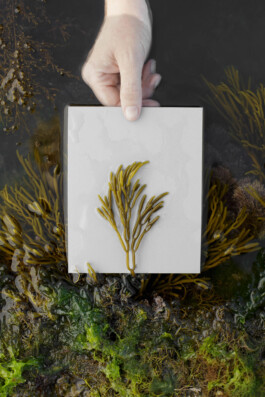
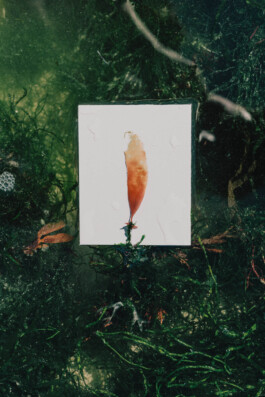
A Recoletora (meaning "The Forager" in English) is the artistic and pedagogical practice we founded in 2021, dedicated to exploring spaces of reciprocity and interaction between human and plant communities. Our work combines botanical research with the recovery of ancestral and contemporary knowledge, following a didactic approach that encourages a rediscovery of the city through foraging and wandering across urban wastelands. We document, map, and catalogue edible wild plants and seaweeds, seeking ways to reconnect with the vegetal world.
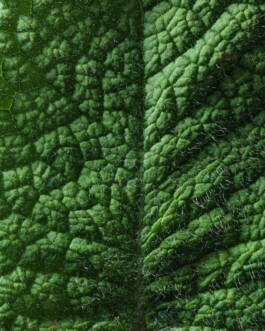
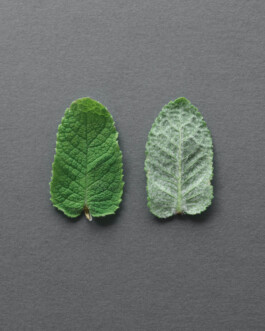
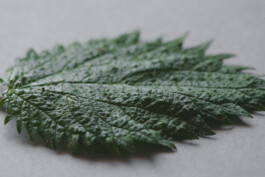
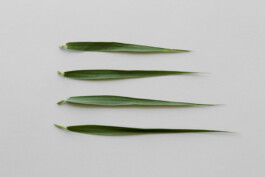
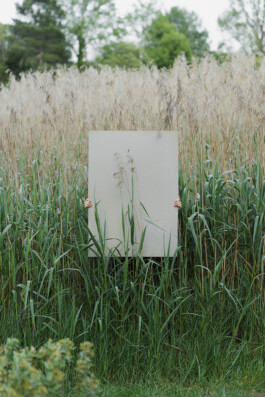
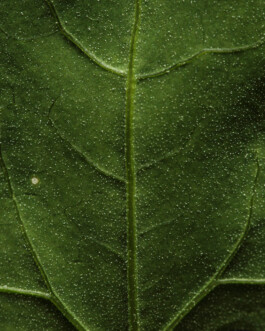
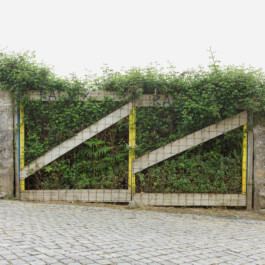
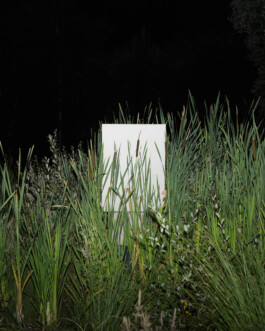
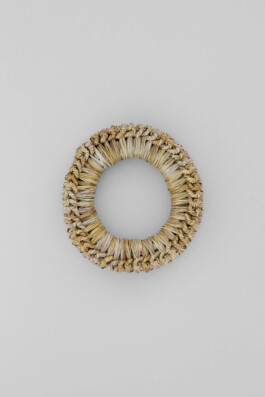
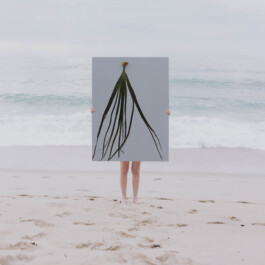
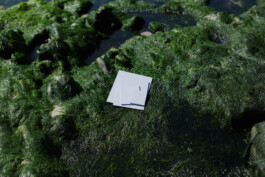
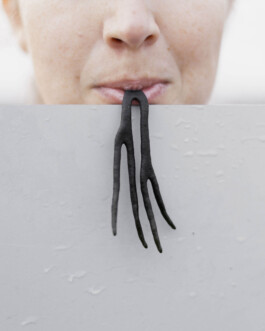
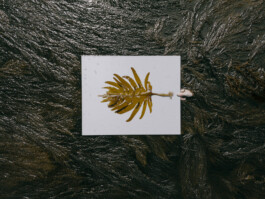
Image and video are central to this process. Through visual and sonic narratives — spanning photography, experimental film, sound recordings, and graphic design — we bring visibility to what often goes unnoticed. These sensory languages help us connect botanical knowledge with lived experience, opening new ways of thinking, eating, healing, and understanding plants as culturally embedded agents within communities. This approach reflects a visual and sensory practice in which storytelling becomes a method for exploring and reimagining the relationships between humans and plants.


Self-initiated visual essay
year 2021 — ongoing
tags Design, Nature, Food
A Recoletora (meaning "The Forager" in English) is the artistic and pedagogical practice we founded in 2021, dedicated to exploring spaces of reciprocity and interaction between human and plant communities. Our work combines botanical research with the recovery of ancestral and contemporary knowledge, following a didactic approach that encourages a rediscovery of the city through foraging and wandering across urban wastelands. We document, map, and catalogue edible wild plants and seaweeds, seeking ways to reconnect with the vegetal world.
Image and video are central to this process. Through visual and sonic narratives — spanning photography, experimental film, sound recordings, and graphic design — we bring visibility to what often goes unnoticed. These sensory languages help us connect botanical knowledge with lived experience, opening new ways of thinking, eating, healing, and understanding plants as culturally embedded agents within communities. This approach reflects a visual and sensory practice in which storytelling becomes a method for exploring and reimagining the relationships between humans and plants.